
After undergoing inguinal hernia repair surgery, proper recovery is crucial to ensure the best outcomes and a safe, speedy return to normal life. Dr. Ehab Lotfy, drawing on his extensive surgical experience, offers patients key advice to ensure proper recovery and minimize the risk of complications.
Whether you are preparing for the procedure or are in the post-operative phase, following post-operative guidelines significantly improves your health experience and effectively promotes healing.
Inguinal Hernia
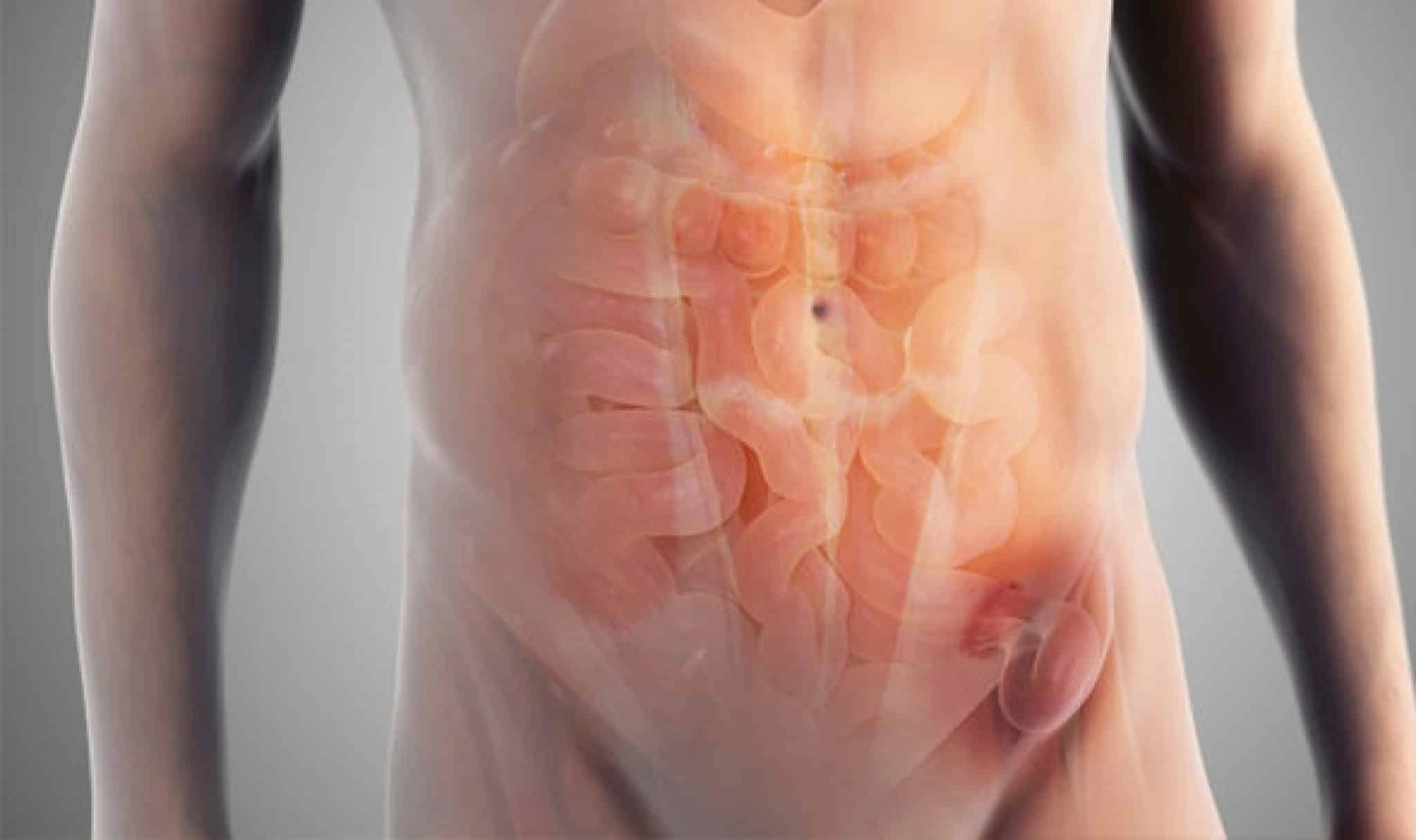
An inguinal hernia is a medical condition that occurs when a section of the abdominal muscle wall weakens, allowing abdominal organs to bulge or protrude through the opening.
Inguinal hernias are common in surgical practice and are characterized by symptoms such as a visible bulge in the affected area and pain during movement or when pressure is applied. Treatment options range from non-surgical to surgical methods, depending on the severity of the condition and associated symptoms.

People at Risk of Inguinal Hernia
Dr. Ehab Lotfy helps us identify who is at risk of developing an inguinal hernia. We will find the answer in this section:
- Older adults.
- Individuals suffering from obesity.
- Women who have had multiple pregnancies.
- Individuals suffering from chronic constipation.
- Individuals who frequently lift heavy weights.
- People with conditions that increase abdominal pressure.
You should consult a specialist if any of the following symptoms occur:
Several side effects may appear after inguinal hernia surgery, including:
- Inflammation at the surgical site: This is a common side effect following the procedure; it is important to note that inflammation does not necessarily indicate surgical failure.
- Infertility: This can occur due to damage to the spermatic cord during the procedure.
- Chronic pain: Pain following inguinal hernia surgery may persist for more than three months.
- Fluid or blood accumulation: This can occur in the scrotum or the inguinal canal.
- Testicular atrophy: This may result from a loss of blood flow to the testicle or scrotum.
To avoid these symptoms, you should familiarize yourself with post-operative advice for inguinal hernia surgery; simply contact us.
Learn about: The best treatment methods for inguinal hernia
Post-Inguinal Hernia Surgery Tips
Following inguinal hernia surgery, there are important tips that can help accelerate recovery and minimize strain on the affected area. Here are the key post-operative recommendations applicable to men, women, and children:
For Men and Women
- Get adequate rest during the first few days after surgery and avoid strenuous activities or heavy lifting.
- Strictly follow your doctor’s instructions, including taking prescribed medications and adhering to the dosing schedule.
- Consuming a healthy diet rich in protein and fiber can help promote the healing process.
- Periodically monitoring the affected area to ensure there are no signs of proper healing.
For Children
- Closely monitoring the child after surgery and ensuring there are no…