
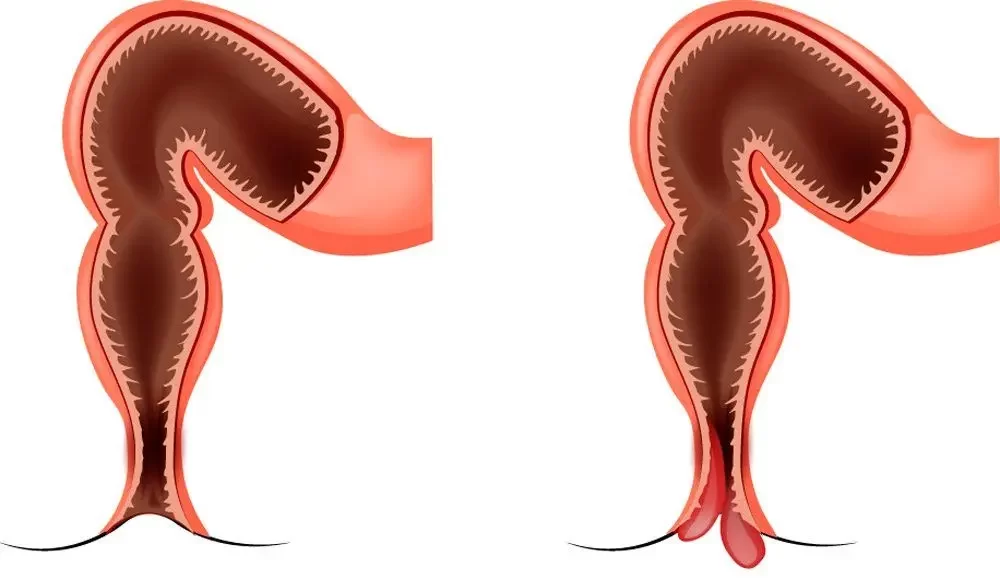
Anal prolapse, or rectal prolapse (Rectal Prolapse), involves the descent or slippage of tissues surrounding the anus. This condition causes health issues and impacts daily life; consequently, seeking effective solutions is a common priority for those affected.
Consulting Dr. Ehab Lotfy, a specialist in this field, is an ideal choice. Dr. Ehab provides comprehensive care and personalized solutions tailored to each individual case.
What is Anal Prolapse?
Anal prolapse—or rectal prolapse—is a condition that commonly affects children around the age of three. While it can also affect adults, the condition is ten times more common in women than in men.
Rectal prolapse results from the partial slippage of parts of the large intestine into the rectum, causing difficulty with bowel movements.

Symptoms of Anal Prolapse
Symptoms of rectal prolapse include the following:
- Presence of a red mass outside the anal opening.
- A sensation of sitting on a ball after a bowel movement.
- Feeling the rectum prolapse during a bowel movement.
- Difficulty controlling bowel movements.
- Bulging outside the anal opening.
- Rectal bleeding.
Symptoms of Internal Rectal Prolapse
Symptoms of internal rectal prolapse may include:
- Recurrent rectal inflammation.
- Reduced sexual activity.
- Changes in bowel habits or constipation.
- A sensation of pressure or heaviness in the pelvic area.
- A feeling of numbness or fatigue in the pelvic area.
- Increased urination or difficulty controlling urination.
- Embarrassment or discomfort due to the altered appearance of the rectum.
Rectal Prolapse: Images
Rectal prolapse is a condition in which the lower part of the rectum descends abnormally toward the vagina or anus. This can cause a variety of bothersome symptoms, such as pelvic pressure, fatigue, increased urination, and difficulty controlling bowel movements.
Rectal prolapse can occur due to weakness in the pelvic muscles or the tissues supporting the rectum; it may be influenced by factors such as a difficult vaginal delivery or advancing age.
This image illustrates rectal prolapse, clearly showing the abnormal slippage of the rectum. Please note that seeking appropriate medical consultation is the first step toward receiving the right treatment for rectal prolapse; the image can be used to explain the condition to the patient and facilitate their understanding.

Treatment for Rectal Prolapse
Dr. Ehab Lotfy employs various surgical techniques to treat and correct rectal prolapse and restore the rectum to its normal position. These surgeries are primarily performed via abdominal, perineal, or laparoscopic approaches.
Abdominal Surgery
Abdominal surgery is the optimal choice for younger individuals and patients in good health suffering from rectal prolapse. The specific type of abdominal surgery is selected based on the severity of the prolapse, and this approach is preferred for chronic cases of the condition.
The surgery is performed under general anesthesia, and the patient typically requires a hospital stay ranging from 3 to 7 days. It is important to note that the risk of rectal prolapse recurrence is significantly lower following this surgery compared to perineal surgery.