
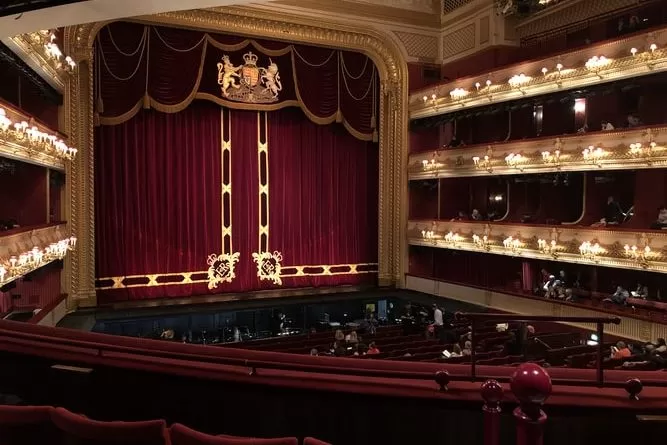
Theater design is a discipline that combines engineering, sound, lighting, and art to create a pleasurable experience for the audience. In this article, we’ll explore the foundations, standards, and best practices that will help you or your organization achieve a professional stage design that is both beautiful and functional.
Theater design
Theater design includes the layout of the theaters, interior spaces, movement and visual perspective, sound, lighting, and safety requirements. The design should contribute to making the performance visible and audible in the best way, with comfort for the audience.
It is important to study the location of the theater, its purpose (open theater, school theater design, conference hall, etc.), and analyze the available budget, because all of this affects the implementation details and the final result.
The difference between types of theaters (Italian box, circular theater, open theater)
The types of theaters vary by visual form, audience orientation, and the degree of contact between the audience and the performances:
- Italian box theater: Audience in front of the theater only
- Circular theater: The audience surrounds the performance from all sides
- Open theater: Without a roof or with exposed ceilings
Each type has advantages and limitations; for example, an open-air theater needs special climatic considerations, and a circular theater provides an immersive experience but requires careful coordination of sound and lighting.

Distribution of spaces within the theater: Stage, backstage, lounge, control rooms
When designing a full-fledged theater, the interior space must be divided precisely:
- Theater space: The mass on which performances are projected and interacted with
- Backstage and backstage rooms: For storing props and equipment and preparing for the performance
- Lounge: Audience seating, optimal visualization, movement within the auditorium
- Control rooms and technologies: Sound, Lighting, Effects
Having these spaces logically distributed makes performance and operation easier and improves the viewing experience.
Acoustical considerations in theater design
Having good sound quality is one of the most important pillars of theater design. Some theater design standards deal with:
- Echo and time-frequency control for speech and music clarity
- Use sound-absorbing materials such as fabrics, acoustic panels, carpets, to minimize harmful reflections.
- Lounge-friendly geometric design to ensure even sound distribution with no silent spots or annoying interference.
If you wish, we can provide you with letters and drafts including Foundations of Theater Design PDF or Foundations of Theater-Cinema-Convention Hall Design for further review.
to learn more about Foundations of Theater-Cinema-Convention Hall Design
Theatrical lighting and its role in emphasizing performance
Lighting isn’t just lighting, it’s an artistic element that affects mood, vision, and highlights a performance:
- Use directional and flexible lighting to highlight actors and important points on stage
- Place back and floor lighting to create visual depth
- Control the color temperature to match the subject matter
Good theatrical lighting accentuates the performance and contributes to the overall experience of the audience.
Seat design and optimal audience visibility
The audience’s view should be unobstructed, and the design should take into account:
- The tilt of the auditorium and the line of sight so that each seat has a clear view of the stage
- Arrange the seats according to the chosen architectural style (Italian box, round or other)
- Use appropriate row spacing for audience movement and comfort
These visual details have a huge impact on audience satisfaction and viewing experience.
Safety and security requirements inside theaters
The design of theaters should incorporate safety standards to avoid accidents:
- Clear emergency exit routes and enough space to escape
- Safety curtains in large theaters to prevent fire from spreading from the stage to the auditorium
- Ventilation and firefighting systems
- Safe activity requirements for appliances, lighting and audio equipment
Adhering to safety standards ensures not only the safety of attendees and workers, but also the legality and viability of the project.
Using technology in modern theater design
Technology is making a big difference in contemporary theater design:
- Advanced digital sound systems that allow for customization of the sound to the type of show
- Smart lighting that responds to motion or scene changes
- Visualization techniques such as giant screen, light projection, or video mapping
Using modern technology, it is possible to design a theater that combines entertainment, interactivity, and visual and acoustic comfort.
Finishing materials suitable for theaters
Finishing materials don’t just affect aesthetics, they play a role in sound, safety, and durability:
- Walls and ceilings with sound-absorbing and fire-resistant materials
- Floors are non-slippery and withstand furniture and weight
- The seats are high-quality, comfortable, and wear-resistant
Choosing the right materials reduces project maintenance and increases its longevity.
to learn more about designing a school theater
Case studies: Examples of international theaters with distinctive designs
There are many theaters in the world that combine modern design with artistic standards:
- Open-air theaters showcase performances against the backdrop of the sky
- Design a simple but visually and acoustically pleasing school theater that is educational and engaging
- Architecturally innovative theaters that use cement, glass, and open spaces
Case studies help you send a realistic picture of what a great design can do for your project.
If you are considering theater design for your organization or school, contact Luxera Group today for a free design consultation.Request a copy of our Theater Design Basics PDF or Theater-Cinema-Conference Room Design Basics to get your vision started. Let us design an open-air theater or school theater design that fits your needs, performance and aesthetics. We help you choose the right theater design standards and materials to ensure a complete project
Frequently asked questions
ما الفرق بين تصميم مسرح مفتوح وتصميم مسرح داخلي؟
المسرح المفتوح يتطلب اعتبارات مناخية مثل الأمطار والحرارة والرياح، بينما المسرح الداخلي يمكن التحكم في الصوت والإضاءة والبيئة بسهولة أكبر.
هل اسس تصميم المسارح Slideshare أو اسس تصميم المسارح PDF مفيدة لتخطيط المسرح الخاص بي؟
نعم، هذه المصادر توفر تخطيطاً مفصلاً ومخططات مرئية تساعد في فهم العناصر المطلوبة، لكنها لا تغني عن الاستعانة بخبراء لوضع التصميم حسب الموقع الفعلي والغرض.

