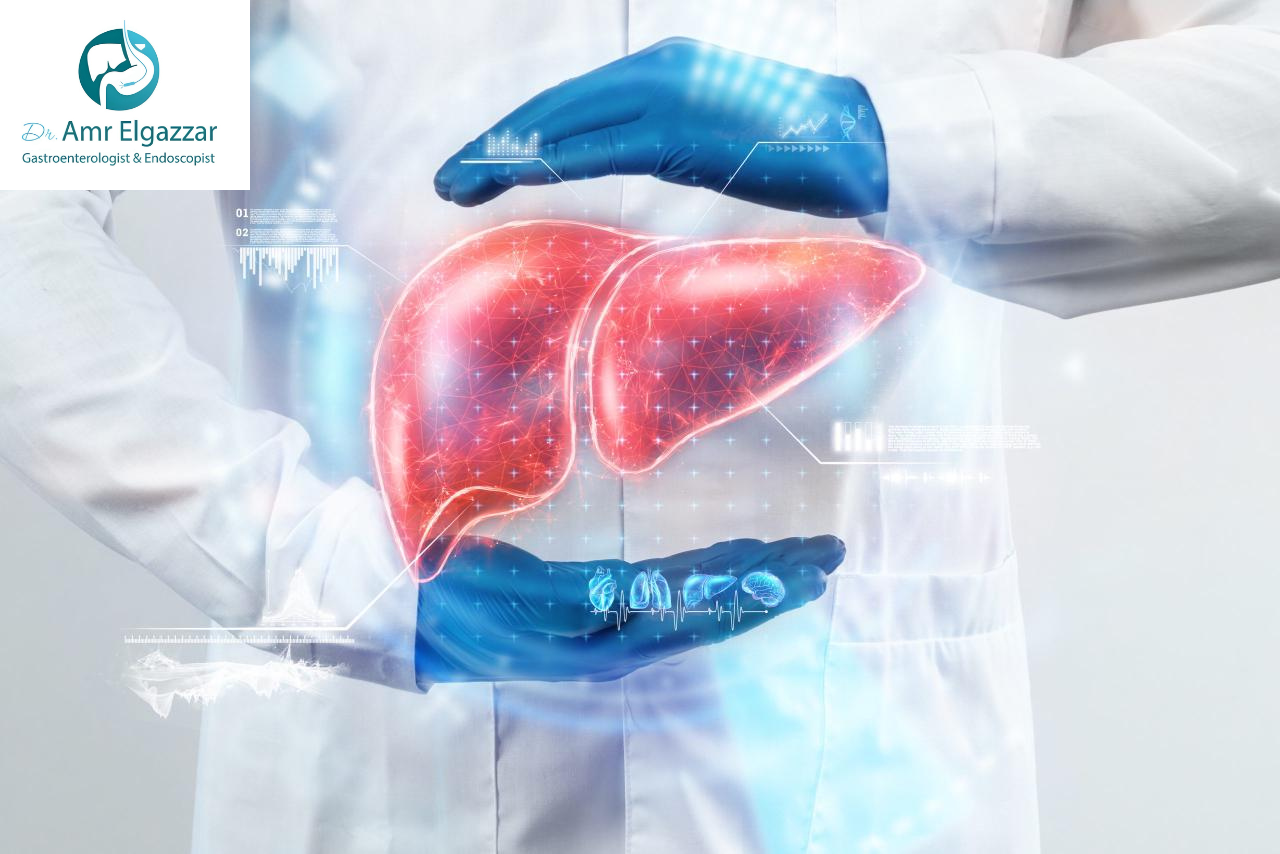
Treating liver diseases is very important to maintain the health of this vital organ in the human body. Liver diseases vary from cirrhosis to hepatitis and cancerous tumors. Treatment also differs depending on the type and stage of the disease.
-
Diagnosis and Monitoring:
In the early stages, treatment includes an accurate diagnosis of the type and severity of the disease. This may require blood tests, medical imaging such as ultrasound, and MRI scans. Liver endoscopy may also be performed to obtain precise information about its condition. -
Lifestyle Changes:
Treatment also involves lifestyle modifications to improve liver health. This includes avoiding alcohol, maintaining a healthy weight, eating a balanced diet, and exercising regularly. -
Medications:
In cases of hepatitis or specific liver diseases, doctors may prescribe medications to improve liver function, reduce inflammation, and manage swelling. -
Surgical Treatment:
In severe cases, surgical intervention may be required either to repair liver damage or remove affected portions. -
Liver Transplant:
In cases of severe liver failure, a liver transplant may be a life-saving option. This procedure involves replacing the damaged liver with a healthy liver from a donor. -
Preventive Measures:
In some liver diseases, preventive interventions are also part of the treatment plan. -
Psychological Care and Support:
Finally, providing psychological care and support is essential for individuals suffering from liver diseases.
Whatever the type of treatment, it should be carried out under the supervision of a specialized medical team, with regular follow-ups to monitor liver condition and adjust the treatment plan according to the patient’s needs.