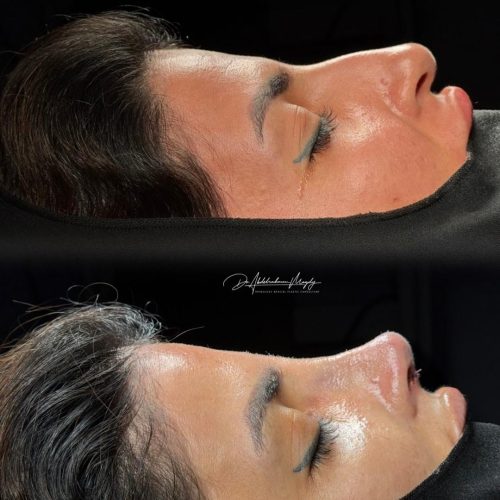
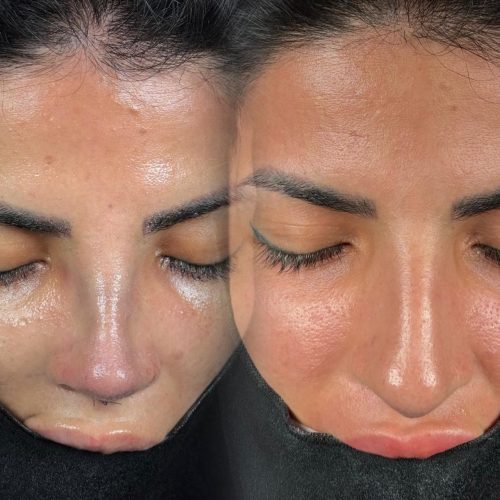
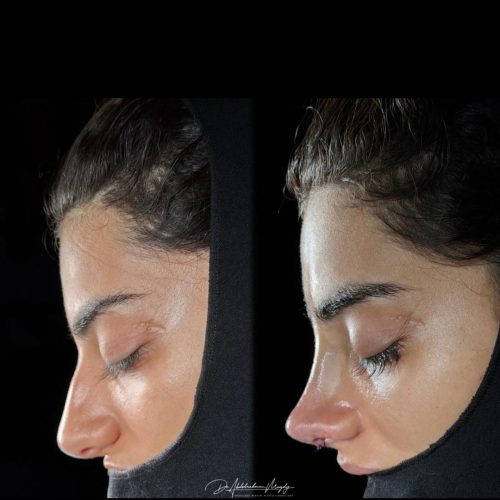
Rhinoplasty in Egypt is considered very safe when performed by well-trained and experienced surgeons. Egypt has gained recognition as a leading destination for medical tourism, in addition to being a vibrant global hub for travel, and is known for its advanced healthcare facilities.
With a strong focus on patient safety and satisfaction, Dr. Abdelrahman Magdy’s centers adhere to strict quality standards and regulations. Surgeons certified by the Royal College of ENT Surgeons in London, England, use the latest techniques and equipment to ensure precise and successful results.
Additionally, comprehensive pre-operative assessments and thorough post-operative care help minimize risks and complications. Patients can trust the commitment of Egyptian medical professionals to prioritize their well-being throughout the entire rhinoplasty journey. Rely on the expertise and dedication of healthcare providers for a safe and effective rhinoplasty experience.
In addition, we ensure a unique tourism experience—not limited to medical travel alone. From the very first moment, you will enjoy a luxurious journey starting with booking, airport, hotel accommodation, and organizing internal trips to the best tourist destinations in Egypt. We aim to provide you with an exceptional, once-in-a-lifetime experience.
How is rhinoplasty performed?
Rhinoplasty primarily focuses on the function of the nose—breathing. Since specialization is what distinguishes a surgeon, rhinoplasty requires extensive experience in nasal surgeries and endoscopic procedures. This is what sets Dr. Abdelrahman Magdy apart; he is an ENT consultant and holds a PhD in endoscopic sinus surgery from England. He has also completed a fellowship in rhinoplasty and facial plastic surgery at the University Hospitals of Birmingham, United Kingdom. At our centers, we specialize in what is known as functional rhinoplasty, meaning that we treat functional issues while also refining the shape to achieve the desired aesthetic appearance, all while ensuring proper breathing.
Dr. Abdelrahman Magdy performs rhinoplasty using either the closed or open technique, depending on each case and its specific needs. The difference between the two methods is a small incision beneath the nose used in the open technique, which does not leave any noticeable scar. The procedure mainly relies on reshaping the nasal cartilage, bones, and septum to achieve an aesthetically pleasing nose and optimal breathing.
The surgery is performed under general anesthesia and takes approximately two hours on average. The patient is discharged from the hospital on the same day, and an external splint is used for 7 to 10 days after surgery. Dr. Abdelrahman does not use any nasal packs or packing during or after the procedure.
How is rhinoplasty performed?
Certain precautions must be taken before surgery. Otherwise, there may be increased bleeding during the procedure, and the recovery period may be prolonged.
Smoking: If you are a smoker, you should stop smoking for two weeks before undergoing rhinoplasty and continue avoiding it for two months after the procedure.
Alcohol: You should definitely avoid alcohol before surgery.
Herbal tea: You should consume herbal tea as much as possible before surgery.
Medications: Blood thinners should be avoided to prevent excessive bleeding during surgery.
Sun exposure: If you decide to undergo rhinoplasty during the summer months, you should protect your facial area from the sun as much as possible.
Nutrition: Proper nutrition is known to accelerate the healing process. Therefore, it is important to follow a diet rich in fruits, vegetables, grains, and protein.
Anesthesia
Rhinoplasty procedures are usually performed under general anesthesia. General anesthesia is safer than local anesthesia, as the patient may experience more pain and discomfort if they remain awake during the surgery. General anesthesia is a very comfortable option for both the patient and the surgeon.
Closed rhinoplasty:
In the closed rhinoplasty technique, there is no external incision in the skin of the nose, and the soft tissues inside the nose are not opened. Therefore, there is no visible scar on the skin. For this reason, it is also called scarless rhinoplasty, as it leaves no marks on the skin.
The closed technique can be performed in certain cases, and after examination, Dr. Abdelrahman can provide you with full details on which method is most suitable for your procedure.
Splints
The splints used in nasal surgery are no longer commonly used in rhinoplasty due to the pain they can cause. Instead, silicone splints are used to correct and support the cartilage structure.
When are cartilage grafts from the ear or rib used?
Dr. Abdelrahman Magdy uses cartilage from the rib or ear, depending on the needs of each case, to support the nasal structure in certain situations, the most important of which are:
Revision cases where there is loss of cartilage or excessive removal of nasal cartilage.
Cases with very thick nasal skin, in order to achieve a more defined, sculpted shape.
Severe deviations of the nasal septum.
What is ultrasonic rhinoplasty?
The ultrasonic device is used to sculpt the bones with very high precision. It can remove extremely small parts of bone and reshape it accurately without causing any injury to the surrounding soft tissues, such as nerves and blood vessels near the nasal bones. This is unlike traditional methods used in other centers for surgery. This technique has many advantages, the first of which is its high precision in performing surgical steps to ensure excellent results. It also helps avoid damage to nearby blood vessels and nerves, provides a faster recovery period with minimal pain, and allows faster and better bone healing compared to traditional surgical methods.
After rhinoplasty
The ultrasonic device is used to sculpt the bones with very high precision. It can remove extremely small parts of bone and reshape it accurately without causing any injury to the surrounding soft tissues, such as nerves and blood vessels near the nasal bones. This is unlike traditional methods used in other centers for surgery. This technique has many advantages, the first of which is its high precision in performing surgical steps to ensure excellent results. It also helps avoid damage to nearby blood vessels and nerves, provides a faster recovery period with minimal pain, and allows faster and better bone healing compared to traditional surgical methods.
Tips to speed up the healing process after rhinoplasty
Recovery after rhinoplasty usually takes between 2–3 weeks. For issues such as bruising or swelling that may occur during this period, you should strictly follow your doctor’s recommendations to ensure a faster recovery.